

Specialist dog food — a UK buyer's guide
A specialist dog food isn't a marketing trick. It's a complete recipe that still meets FEDIAF standards but adjusts protein, fat, fibre or ingredient choices for a particular life-stage, dietary need or health concern. This guide walks through the five most useful types of specialist dog food sold in the UK — so you can pick the formula that genuinely suits your dog with confidence.
What makes a dog food "specialist"?
A standard complete dry or wet dog food follows FEDIAF nutritional guidelines and suits most healthy adult dogs. A specialist formula follows the same guidelines but is targeted rather than general — it adjusts the protein source, omits common allergens, lowers calorie density or adds joint-support nutrients, depending on the purpose. The label still reads "complete" and the recipe still meets the law, but it's built around a specific need.
What are the main types of specialist dog food?
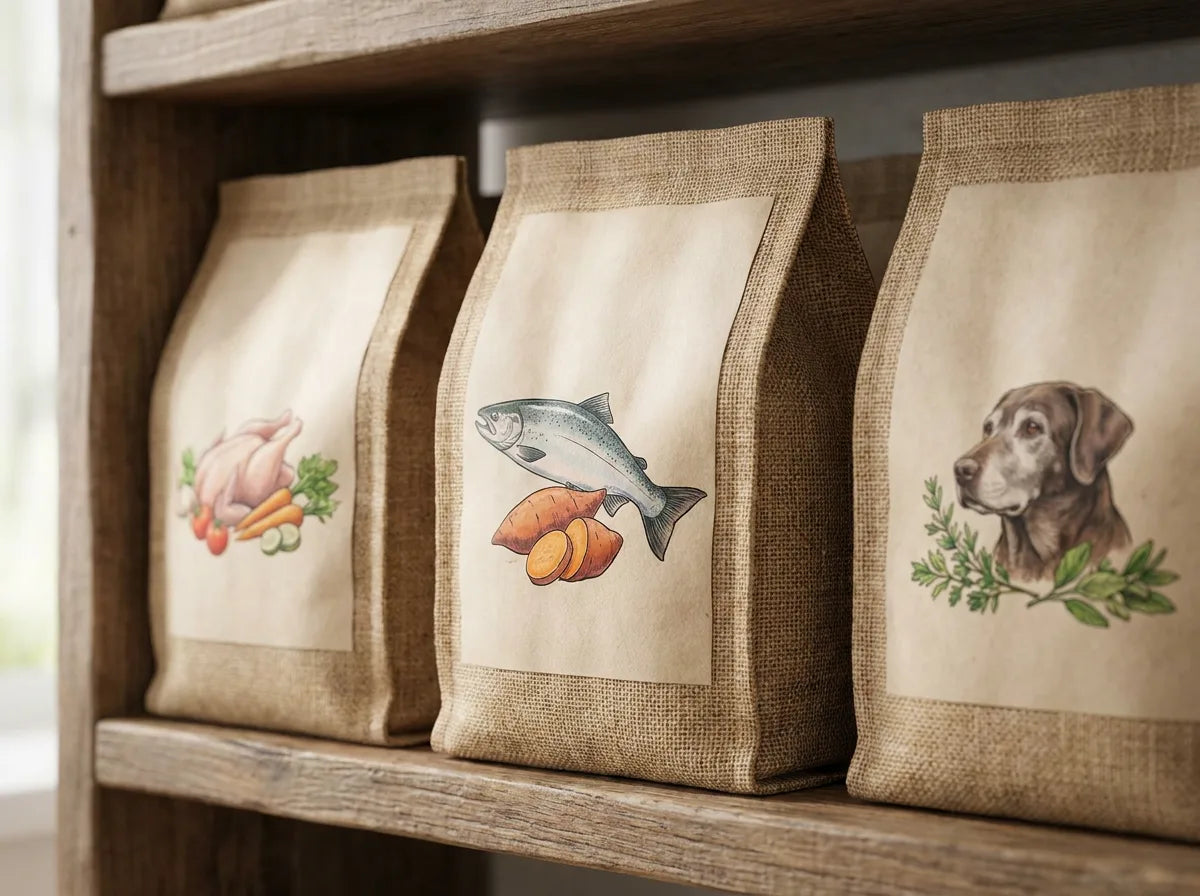
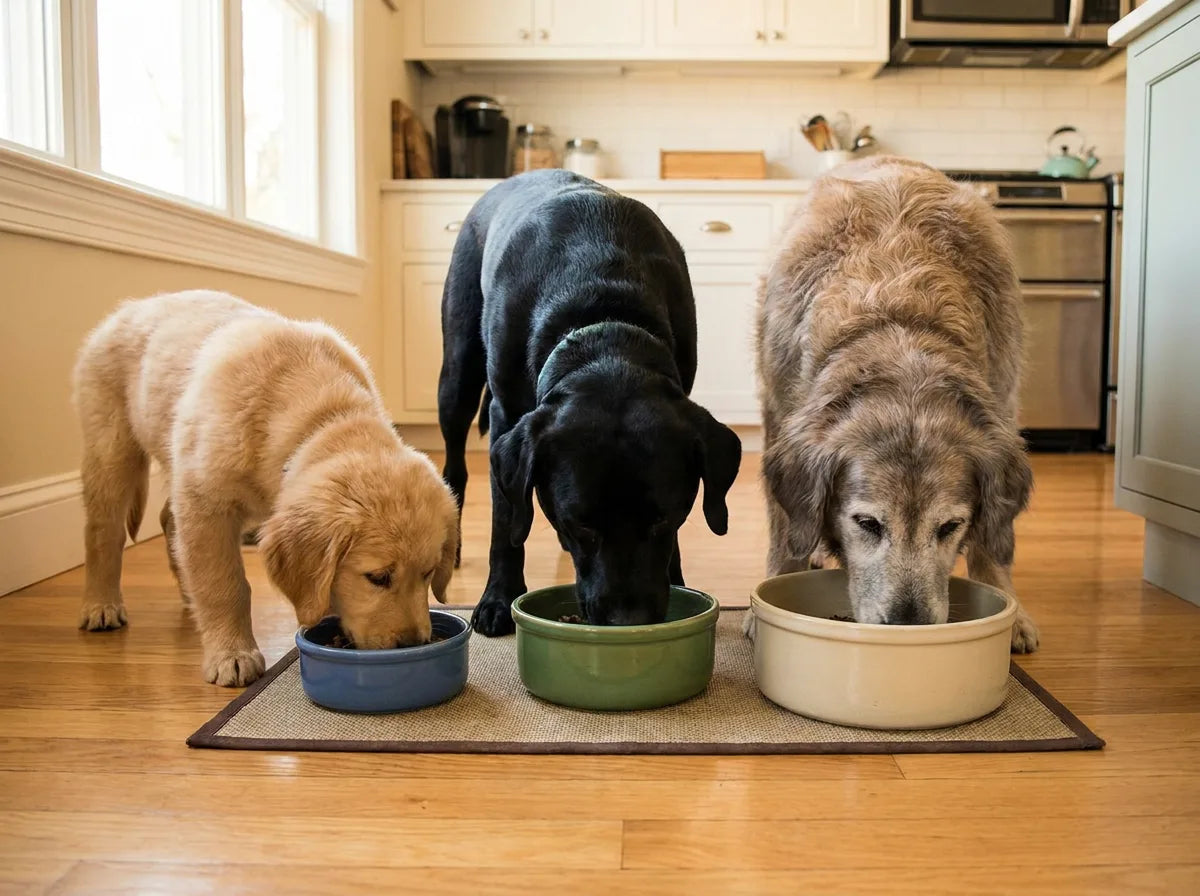

| Type | Who it's for | Brands we stock |
|---|---|---|
| Grain-free | Dogs with grain sensitivity, owners who prefer the ingredient list | Wagg, Harringtons |
| Sensitive stomach | Loose stools, itchy skin, novel-protein trials | Skinner's Salmon & Rice, Burns Sensitive |
| Senior | Older dogs with changing metabolism or mobility | Skinner's Light & Senior, Harringtons Senior |
| Weight management | Calorie-controlled, higher-fibre | Skinner's Light & Senior, Wagg Lite |
| Joint & mobility | Older dogs, working breeds, post-injury support | YuMOVE, Protexin |
How do you choose the right specialist dog food?
Three questions narrow the field:
- Is your dog a puppy, adult or senior? Life-stage comes first.
- Does your dog have a clear dietary trigger — grain, a specific protein, an additive?
- Has your vet flagged any specific health concern?
What doesn't work
- Switching food cold-turkey — always transition over 5-7 days.
- Skipping portions on senior food — it's lower-calorie by design.
- Using "joint-support food" alone for clinical joint disease — it supports, it doesn't treat.
- Trusting affiliate listicles over your vet and your dog's actual response.
Which specialist dog food brands do we trust?
Specialist food is where independent pet shops earn their keep. The brands we stock across all five categories above — many of which you won't find on the high street or at Amazon — are listed on our dry dog food, joint & health, Wagg, Harringtons, Lily's Kitchen, YuMOVE and Protexin category pages.
Supporting guides
- Grain-free dog food — what it is and which dogs need it
- Sensitive stomach dog food — signs and what to feed
- Senior dog food — when to switch and what to look for
- Joint care for dogs — supplements and food that support mobility
Need a recommendation? Get in touch with your dog's breed, age and any concerns — we'll point you to one or two suitable options.